THE STOCKTON PERSONAL INJURY ATTORNEY WITH A REPUTATION YOU CAN TRUST

Practice Areas
Practice Areas
Unpaid Wages
Unpaid Wages
When employers cut corners on overtime, breaks, or final paychecks, workers pay the price. Schwinghamer Law advocates for employees across Stockton and the Central Valley, offering experienced legal representation to recover your unpaid wages and protect your rights.
When employers cut corners on overtime, breaks, or final paychecks, workers pay the price. Schwinghamer Law advocates for employees across Stockton and the Central Valley, offering experienced legal representation to recover your unpaid wages and protect your rights.
Legal Help for Unpaid Wages, Overtime, and Missed Breaks in Stockton & the Central Valley
Legal Help for Unpaid Wages, Overtime, and Missed Breaks in Stockton & the Central Valley
Legal Help for Unpaid Wages, Overtime, and Missed Breaks in Stockton & the Central Valley
California law requires employers to pay at least the minimum wage, pay overtime, provide meal and rest breaks, pay final wages on time, and reimburse work expenses. When employers cut corners, the lost pay adds up quickly, often across an entire workforce.
Schwinghamer Law represents workers in Stockton, Lodi, Manteca, Tracy, Sacramento, and throughout the Central Valley who were not paid what the law requires. We handle individual claims, class actions, and representative claims under the Private Attorneys General Act (PAGA). Many of our clients work in health care, and we also represent workers in warehouses, agriculture, restaurants, retail, construction, and other industries.
We have Spanish-speaking staff. Hablamos español. If you believe you are owed wages, call (209) 425-2520 or send us a message to discuss your situation.
California law requires employers to pay at least the minimum wage, pay overtime, provide meal and rest breaks, pay final wages on time, and reimburse work expenses. When employers cut corners, the lost pay adds up quickly, often across an entire workforce.
Schwinghamer Law represents workers in Stockton, Lodi, Manteca, Tracy, Sacramento, and throughout the Central Valley who were not paid what the law requires. We handle individual claims, class actions, and representative claims under the Private Attorneys General Act (PAGA). Many of our clients work in health care, and we also represent workers in warehouses, agriculture, restaurants, retail, construction, and other industries.
We have Spanish-speaking staff. Hablamos español. If you believe you are owed wages, call (209) 425-2520 or send us a message to discuss your situation.
Common Wage and Hour Violations
Common Wage and Hour Violations
Unpaid Overtime
Unpaid Overtime
Unpaid Overtime
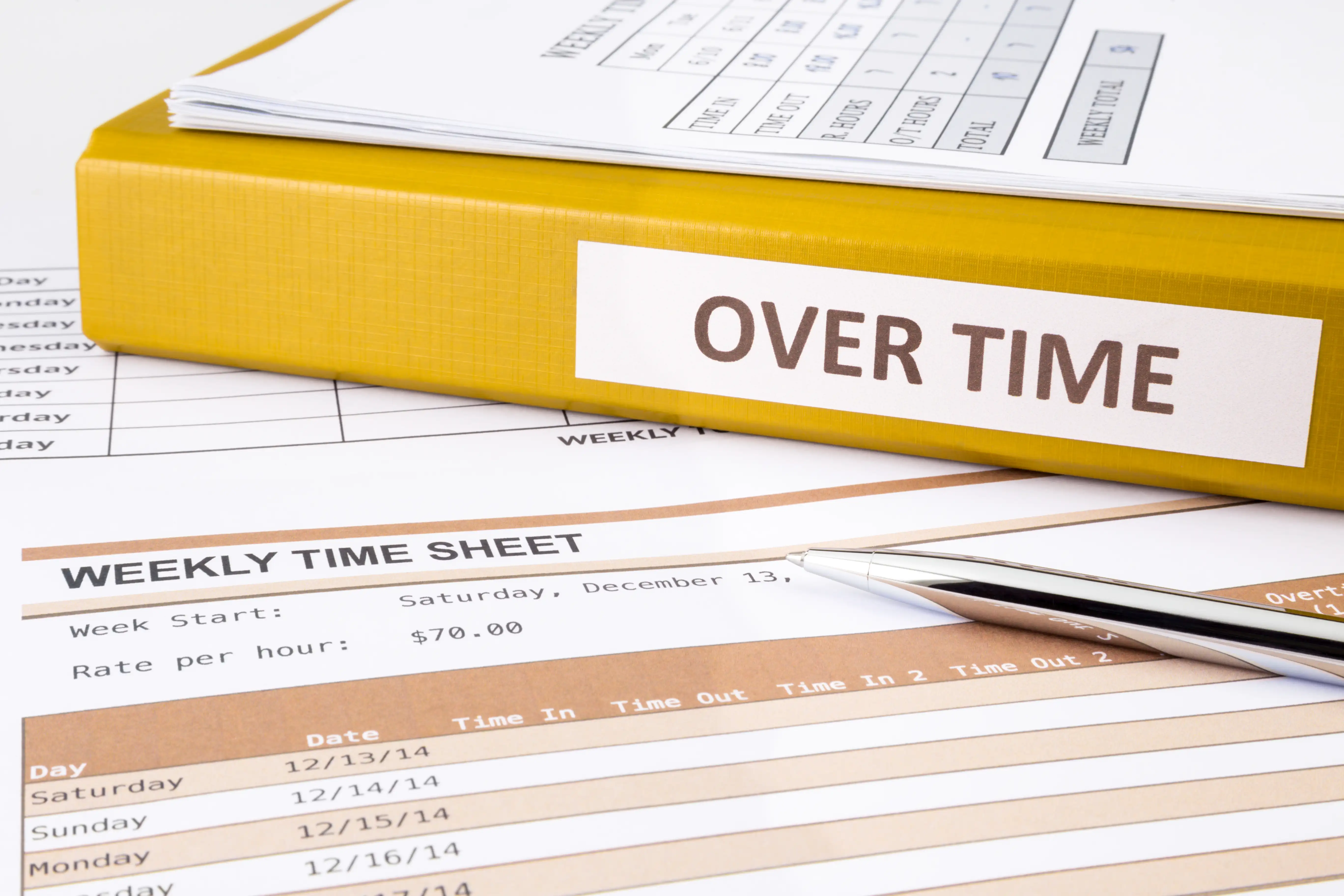
Under California Law, eight hours of work is a day's work. Employers generally must pay one and one-half times the regular rate of pay for work over eight hours in a workday, over 40 hours in a workweek, and for the first eight hours on the seventh consecutive day of work in a workweek. Work over 12 hours in a day, and work over eight hours on the seventh day, must be paid at double the regular rate. (Lab. Code, § 510, subd. (a).)
Some employees are exempt from overtime or work lawful alternative workweek schedules (Lab. Code, § 510, subd. (a)(1)-(3)), but employers often stretch these exceptions too far. A job title or a salary does not, on its own, make an employee exempt.
Under California Law, eight hours of work is a day's work. Employers generally must pay one and one-half times the regular rate of pay for work over eight hours in a workday, over 40 hours in a workweek, and for the first eight hours on the seventh consecutive day of work in a workweek. Work over 12 hours in a day, and work over eight hours on the seventh day, must be paid at double the regular rate. (Lab. Code, § 510, subd. (a).)
Some employees are exempt from overtime or work lawful alternative workweek schedules (Lab. Code, § 510, subd. (a)(1)-(3)), but employers often stretch these exceptions too far. A job title or a salary does not, on its own, make an employee exempt.
Common Wage and Hour Violations
Common Wage and Hour Violations
Minimum Wage Violations
Minimum Wage Violations
Minimum Wage Violations
California's minimum wage changes over time, and some cities, counties, and industries, including fast food and certain health care employers, have higher minimums. Because these rates change, we do not list them here. Current rates are posted on the California Department of Industrial Relations' Minimum Wage Frequently Asked Questions page. Minimum wage violations often happen when employees are not paid for all of the time they work, such as time in security screenings or finishing tasks after clocking out.
California's minimum wage changes over time, and some cities, counties, and industries, including fast food and certain health care employers, have higher minimums. Because these rates change, we do not list them here. Current rates are posted on the California Department of Industrial Relations' Minimum Wage Frequently Asked Questions page. Minimum wage violations often happen when employees are not paid for all of the time they work, such as time in security screenings or finishing tasks after clocking out.


Common Wage and Hour Violations
Common Wage and Hour Violations
Missed Meal and Rest Breaks
Missed Meal and Rest Breaks
Missed Meal and Rest Breaks
Under Labor Code section 512, an employer generally may not employ an employee for a work period of more than five hours without a meal period of at least 30 minutes, or for more than 10 hours without a second 30-minute meal period. (Lab. Code, § 512, subd. (a).) Most employees are also entitled to a 10-minute paid rest period for every four hours worked or major fraction of four hours. (See, e.g., IWC Wage Order No. 5, § 12(A).)
A break only counts if the employee is actually free. The California Supreme Court has explained that an employer satisfies its meal period obligation "if it relieves its employees of all duty, relinquishes control over their activities and permits them a reasonable opportunity to take an uninterrupted 30-minute break, and does not impede or discourage them from doing so." (Brinker Restaurant Corp. v. Superior Court (2012) 53 Cal.4th 1004, 1040.) Rest breaks work the same way. “During required rest periods, employers must relieve their employees of all duties and relinquish any control over how employees spend their break time.” (Augustus v. ABM Security Services, Inc. (2016) 2 Cal.5th 257, 260.)
When an employer fails to provide a required meal, rest, or heat-illness recovery period, it must pay the employee one additional hour of pay at the employee's regular rate for each workday the break was not provided. (Lab. Code, § 226.7, subd. (c).)
Under Labor Code section 512, an employer generally may not employ an employee for a work period of more than five hours without a meal period of at least 30 minutes, or for more than 10 hours without a second 30-minute meal period. (Lab. Code, § 512, subd. (a).) Most employees are also entitled to a 10-minute paid rest period for every four hours worked or major fraction of four hours. (See, e.g., IWC Wage Order No. 5, § 12(A).)
A break only counts if the employee is actually free. The California Supreme Court has explained that an employer satisfies its meal period obligation "if it relieves its employees of all duty, relinquishes control over their activities and permits them a reasonable opportunity to take an uninterrupted 30-minute break, and does not impede or discourage them from doing so." (Brinker Restaurant Corp. v. Superior Court (2012) 53 Cal.4th 1004, 1040.) Rest breaks work the same way. “During required rest periods, employers must relieve their employees of all duties and relinquish any control over how employees spend their break time.” (Augustus v. ABM Security Services, Inc. (2016) 2 Cal.5th 257, 260.)
When an employer fails to provide a required meal, rest, or heat-illness recovery period, it must pay the employee one additional hour of pay at the employee's regular rate for each workday the break was not provided. (Lab. Code, § 226.7, subd. (c).)
Common Wage and Hour Violations
Common Wage and Hour Violations
Off-the-Clock Work
Off-the-Clock Work
Off-the-Clock Work
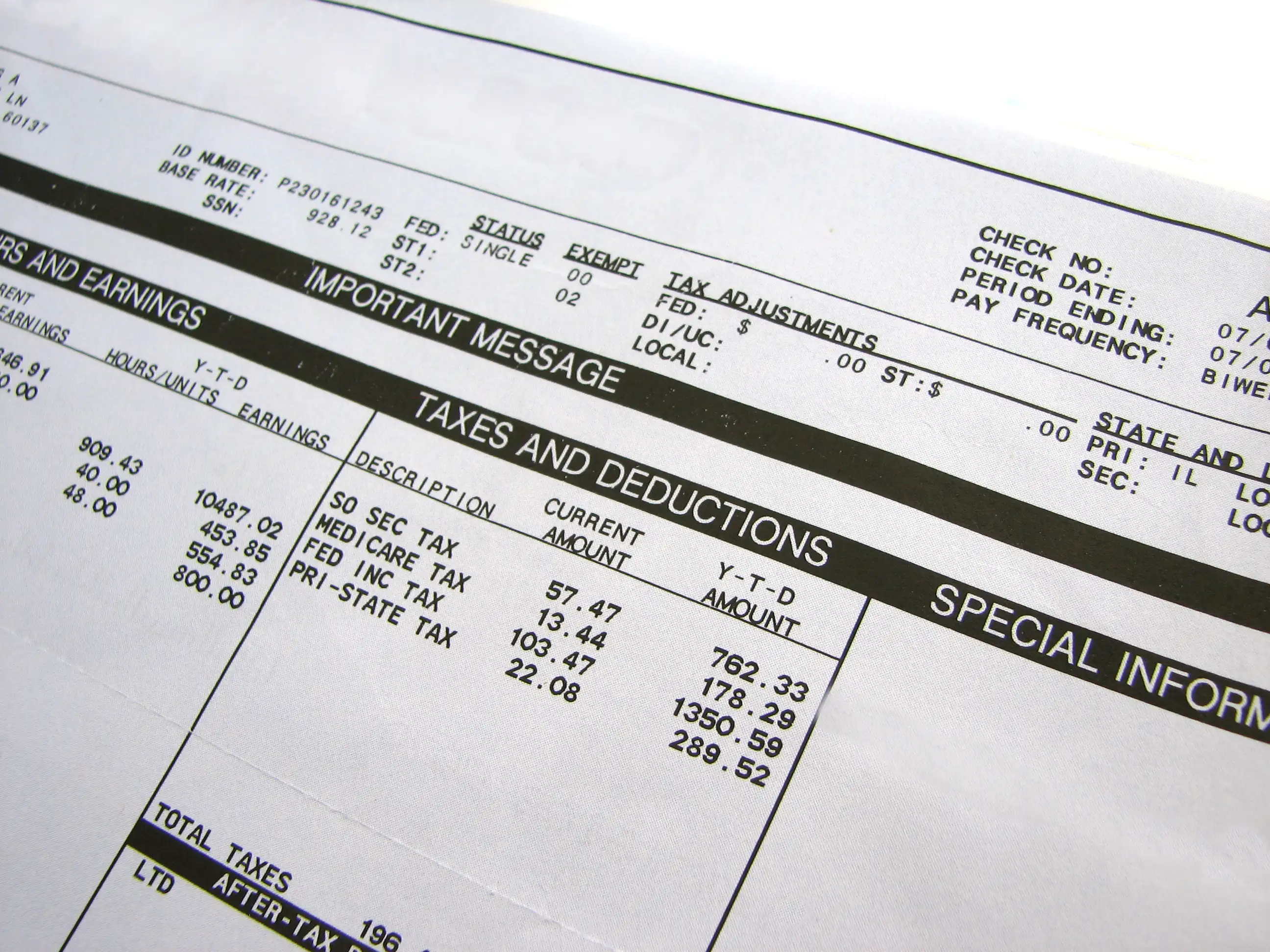
Employers must pay for all time worked, including small amounts of time before and after a shift. In Troester v. Starbucks Corp. (2018) 5 Cal.5th 829, the California Supreme Court held “that the relevant wage order and statutes do not permit application of the de minimis rule on the facts given to us by the Ninth Circuit, where the employer required the employee to work ‘off the clock’ several minutes per shift.” (Id. at p. 835.) A few unpaid minutes each day can add up to a significant amount over months or years.
Employers must pay for all time worked, including small amounts of time before and after a shift. In Troester v. Starbucks Corp. (2018) 5 Cal.5th 829, the California Supreme Court held “that the relevant wage order and statutes do not permit application of the de minimis rule on the facts given to us by the Ninth Circuit, where the employer required the employee to work ‘off the clock’ several minutes per shift.” (Id. at p. 835.) A few unpaid minutes each day can add up to a significant amount over months or years.

Common Wage and Hour Violations
Common Wage and Hour Violations
Time Rounding and Meal Period Records
Time Rounding and Meal Period Records
Time Rounding and Meal Period Records
In Donohue v. AMN Services, LLC (2021) 11 Cal.5th 58, a case brought by an employee of a health care staffing company, the California Supreme Court held that employers cannot round time punches in the meal period context, explaining: “The meal period provisions are designed to prevent even minor infringements on meal period requirements, and rounding is incompatible with that objective.” (Id. at p. 61.) The Court also held “that time records showing noncompliant meal periods raise a rebuttable presumption of meal period violations, including at the summary judgment stage.” (Ibid.)
In Donohue v. AMN Services, LLC (2021) 11 Cal.5th 58, a case brought by an employee of a health care staffing company, the California Supreme Court held that employers cannot round time punches in the meal period context, explaining: “The meal period provisions are designed to prevent even minor infringements on meal period requirements, and rounding is incompatible with that objective.” (Id. at p. 61.) The Court also held “that time records showing noncompliant meal periods raise a rebuttable presumption of meal period violations, including at the summary judgment stage.” (Ibid.)
Common Wage and Hour Violations
Common Wage and Hour Violations
Misclassification as an Independent Contractor
Misclassification as an Independent Contractor
Misclassification as an Independent Contractor
Some employers label workers as independent contractors to avoid wage and hour obligations. Under California’s “ABC test,” a worker is considered an employee unless the hiring entity proves all three of the following: the worker is free from the hiring entity’s control and direction; the worker performs work outside the usual course of the hiring entity’s business; and the worker is customarily engaged in an independently established trade, occupation, or business of the same nature as the work performed. (Lab. Code, § 2775, subd. (b)(1).)
As the California Supreme Court explained in the decision that led to this statute, “[t]he ABC test presumptively considers all workers to be employees.” (Dynamex Operations West, Inc. v. Superior Court (2018) 4 Cal.5th 903, 955.) The Labor Code contains exceptions for some occupations, so the analysis depends on the work involved.
Some employers label workers as independent contractors to avoid wage and hour obligations. Under California’s “ABC test,” a worker is considered an employee unless the hiring entity proves all three of the following: the worker is free from the hiring entity’s control and direction; the worker performs work outside the usual course of the hiring entity’s business; and the worker is customarily engaged in an independently established trade, occupation, or business of the same nature as the work performed. (Lab. Code, § 2775, subd. (b)(1).)
As the California Supreme Court explained in the decision that led to this statute, “[t]he ABC test presumptively considers all workers to be employees.” (Dynamex Operations West, Inc. v. Superior Court (2018) 4 Cal.5th 903, 955.) The Labor Code contains exceptions for some occupations, so the analysis depends on the work involved.


Common Wage and Hour Violations
Common Wage and Hour Violations
Late or Incomplete Final Paychecks
Late or Incomplete Final Paychecks
Late or Incomplete Final Paychecks
When an employer fires an employee, the employee’s earned and unpaid wages are due immediately. (Lab. Code, § 201, subd. (a).) When an employee without a written contract for a definite period quits, wages are due within 72 hours, or immediately at the time of quitting if the employee gave at least 72 hours’ notice. (Lab. Code, § 202, subd. (a).)
If an employer willfully fails to pay final wages on time, the employee’s wages continue as a penalty from the due date until paid, for up to 30 days. (Lab. Code, § 203, subd. (a).) Missed-break premium pay counts as wages for this purpose. In Naranjo v. Spectrum Security Services, Inc. (2022) 13 Cal.5th 93, the Supreme Court held that “[t]he extra pay thus constitutes wages subject to the same timing and reporting rules as other forms of compensation for work.” (Id. at p. 102.)
When an employer fires an employee, the employee’s earned and unpaid wages are due immediately. (Lab. Code, § 201, subd. (a).) When an employee without a written contract for a definite period quits, wages are due within 72 hours, or immediately at the time of quitting if the employee gave at least 72 hours’ notice. (Lab. Code, § 202, subd. (a).)
If an employer willfully fails to pay final wages on time, the employee’s wages continue as a penalty from the due date until paid, for up to 30 days. (Lab. Code, § 203, subd. (a).) Missed-break premium pay counts as wages for this purpose. In Naranjo v. Spectrum Security Services, Inc. (2022) 13 Cal.5th 93, the Supreme Court held that “[t]he extra pay thus constitutes wages subject to the same timing and reporting rules as other forms of compensation for work.” (Id. at p. 102.)
Common Wage and Hour Violations
Common Wage and Hour Violations
Inaccurate Wage Statements
Inaccurate Wage Statements
Inaccurate Wage Statements
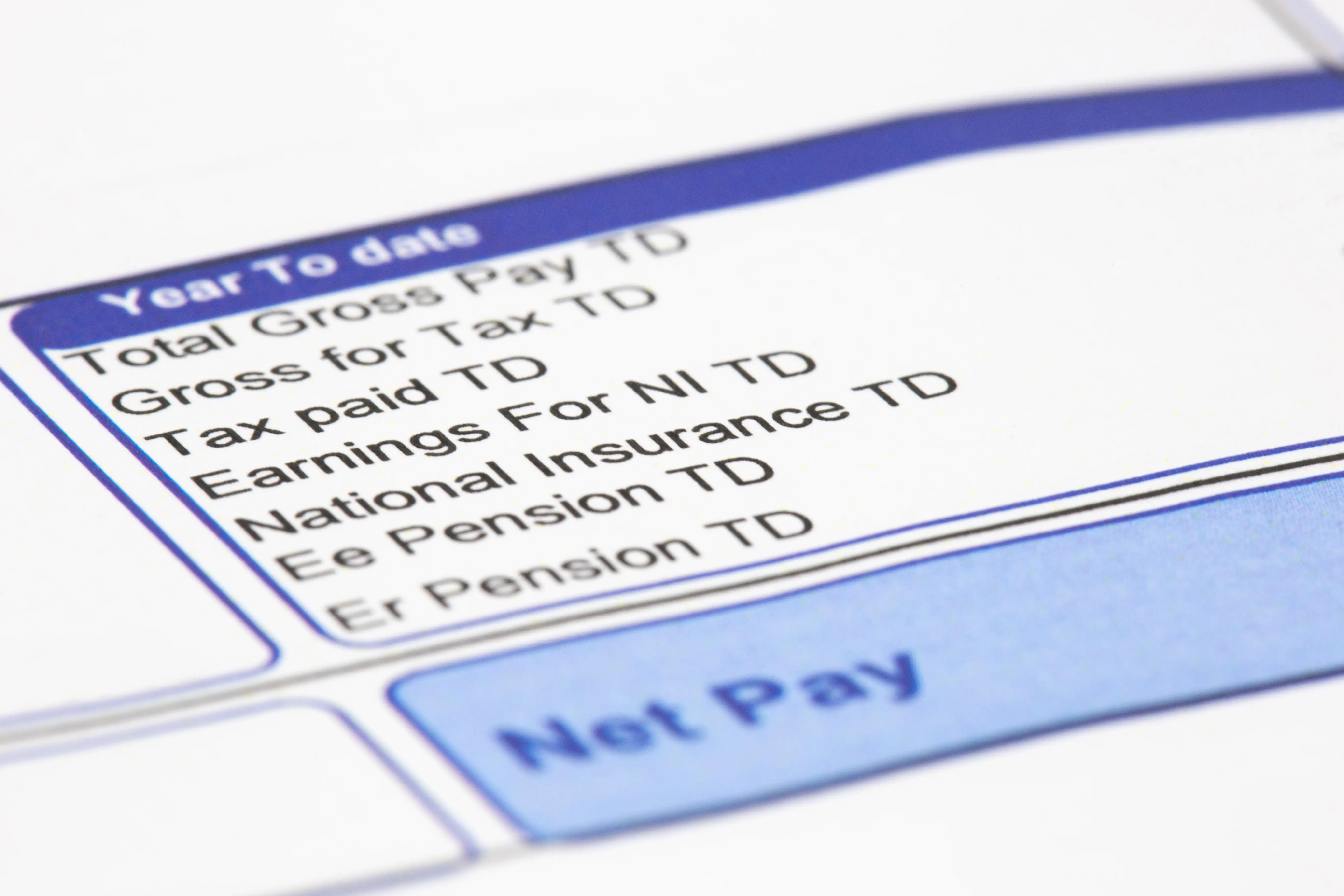
Employers must provide an accurate itemized wage statement with each paycheck showing, among other things, gross and net wages, total hours worked, deductions, and all applicable hourly rates. (Lab. Code, § 226, subd. (a).) A knowing and intentional violation can entitle an employee to penalties of up to $4,000, plus costs and reasonable attorney’s fees. (Id., subd. (e)(1).)
Employers must provide an accurate itemized wage statement with each paycheck showing, among other things, gross and net wages, total hours worked, deductions, and all applicable hourly rates. (Lab. Code, § 226, subd. (a).) A knowing and intentional violation can entitle an employee to penalties of up to $4,000, plus costs and reasonable attorney’s fees. (Id., subd. (e)(1).)

Common Wage and Hour Violations
Common Wage and Hour Violations
Unreimbursed Work Expenses
Unreimbursed Work Expenses
Unreimbursed Work Expenses
Employers must reimburse employees for “all necessary expenditures or losses incurred by the employee in direct consequence of the discharge of his or her duties.” (Lab. Code, § 2802, subd. (a).) This can include mileage, use of a personal cell phone, tools, and uniforms or equipment the job requires.
Employers must reimburse employees for “all necessary expenditures or losses incurred by the employee in direct consequence of the discharge of his or her duties.” (Lab. Code, § 2802, subd. (a).) This can include mileage, use of a personal cell phone, tools, and uniforms or equipment the job requires.
Wage and Hour Issues for Health Care Workers
Wage and Hour Issues for Health Care Workers
Wage and Hour Issues for Health Care Workers
Nurses, certified nursing assistants, medical assistants, technicians, and other health care workers often face wage and hour problems because of short staffing and patient care demands. Common issues include:
Nurses, certified nursing assistants, medical assistants, technicians, and other health care workers often face wage and hour problems because of short staffing and patient care demands. Common issues include:
Missed or interrupted meal breaks because no one is available to cover patients
Missed or interrupted meal breaks because no one is available to cover patients
Rest breaks taken while carrying a phone, pager, or radio and remaining responsible for patients
Rest breaks taken while carrying a phone, pager, or radio and remaining responsible for patients
Meal period waiver forms that were not voluntary or were never properly signed
Meal period waiver forms that were not voluntary or were never properly signed
Unpaid time spent charting, giving report, or finishing patient care after clocking out
Unpaid time spent charting, giving report, or finishing patient care after clocking out
Rounded time punches that hide short or late meal periods
Rounded time punches that hide short or late meal periods
California’s wage order for hospitals and many other health care facilities allows health care employees who work shifts longer than eight hours to voluntarily waive one of their two meal periods. The waiver must be documented in a written agreement that is voluntarily signed by both the employee and the employer, and the employee may revoke it at any time with one day’s written notice. (IWC Wage Order No. 5, § 11(D).) When those requirements are not met, the employee may be owed premium pay.
California’s wage order for hospitals and many other health care facilities allows health care employees who work shifts longer than eight hours to voluntarily waive one of their two meal periods. The waiver must be documented in a written agreement that is voluntarily signed by both the employee and the employer, and the employee may revoke it at any time with one day’s written notice. (IWC Wage Order No. 5, § 11(D).) When those requirements are not met, the employee may be owed premium pay.


Farmworkers and Outdoor Workers
Farmworkers and Outdoor Workers
Farmworkers and Outdoor Workers
Farmworkers and other outdoor workers are entitled to premium pay when an employer fails to provide a required “recovery period,” which the Labor Code defines as “a cooldown period afforded an employee to prevent heat illness.” (Lab. Code, § 226.7, subds. (a), (c).) Piece-rate workers are also entitled to wage statements showing their piece-rate units and rates. (Lab. Code, § 226, subd. (a)(3).)
Farmworkers and other outdoor workers are entitled to premium pay when an employer fails to provide a required “recovery period,” which the Labor Code defines as “a cooldown period afforded an employee to prevent heat illness.” (Lab. Code, § 226.7, subds. (a), (c).) Piece-rate workers are also entitled to wage statements showing their piece-rate units and rates. (Lab. Code, § 226, subd. (a)(3).)
Individual Claims, Class Actions, and PAGA
Individual Claims, Class Actions, and PAGA
Individual Claims, Class Actions, and PAGA
When an employer's pay practice is unlawful, it is often unlawful for everyone subject to it. Depending on the facts, we pursue claims in one or more of these ways:
When an employer's pay practice is unlawful, it is often unlawful for everyone subject to it. Depending on the facts, we pursue claims in one or more of these ways:
Individual claims to recover your own unpaid wages, premium pay, penalties, interest, and attorney's feeds.
Individual claims to recover your own unpaid wages, premium pay, penalties, interest, and attorney's feeds.
Class actions on behalf of a group of employees affected by the same unlawful policy or practice.
Class actions on behalf of a group of employees affected by the same unlawful policy or practice.
PAGA representative actions under the Private Attorneys General Act, which allows an "aggrieved employee" to recover civil penalties on behalf of the employee and other current or former employees affected by the same violations. (Lab. Code, § 2699, subd. (a).)
PAGA representative actions under the Private Attorneys General Act, which allows an "aggrieved employee" to recover civil penalties on behalf of the employee and other current or former employees affected by the same violations. (Lab. Code, § 2699, subd. (a).)
Before filing a PAGA lawsuit, the employee must give written notice to the Labor and Workforce Development Agency and the employer describing the alleged violations and the facts and theories supporting them. (Lab. Code, § 2699.3, subd. (a)(1)(A).) If the agency does not respond within 65 calendar days, the employee may file suit. (Id., subd. (a)(2)(A).) PAGA was significantly amended in 2024. Under the current statute, an “aggrieved employee” must have personally suffered each of the violations alleged within the one-year period set by Code of Civil Procedure section 340. (Lab. Code, § 2699, subd. (c)(1).) Employees receive 35 percent of the civil penalties recovered, and the state receives 65 percent. (Id., subd. (m).)
Before filing a PAGA lawsuit, the employee must give written notice to the Labor and Workforce Development Agency and the employer describing the alleged violations and the facts and theories supporting them. (Lab. Code, § 2699.3, subd. (a)(1)(A).) If the agency does not respond within 65 calendar days, the employee may file suit. (Id., subd. (a)(2)(A).) PAGA was significantly amended in 2024. Under the current statute, an “aggrieved employee” must have personally suffered each of the violations alleged within the one-year period set by Code of Civil Procedure section 340. (Lab. Code, § 2699, subd. (c)(1).) Employees receive 35 percent of the civil penalties recovered, and the state receives 65 percent. (Id., subd. (m).)

What If I Signed an Arbitration Agreement?
What If I Signed an Arbitration Agreement?
What If I Signed an Arbitration Agreement?
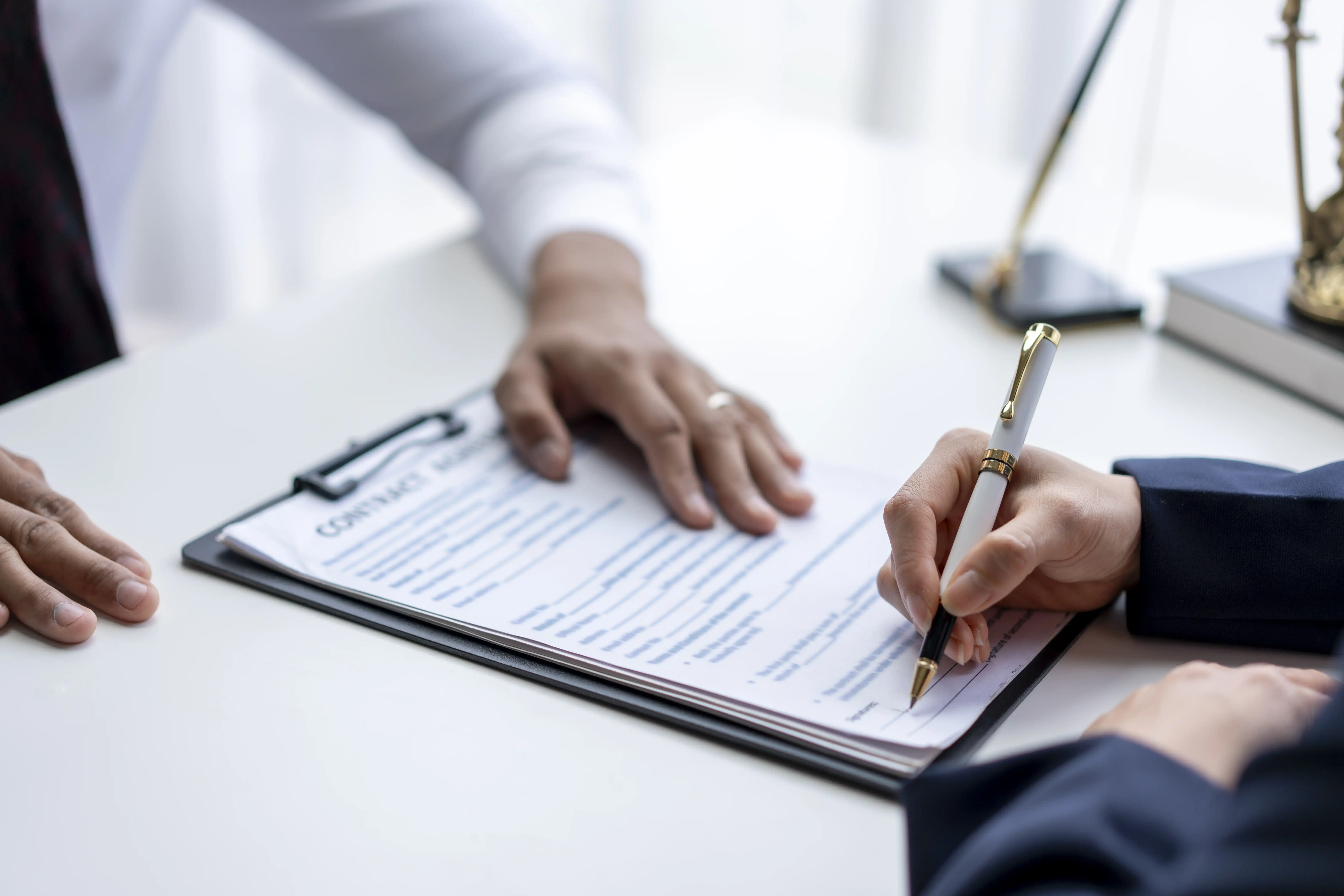
An arbitration agreement does not necessarily prevent you from recovering unpaid wages. Some agreements are unenforceable, and in past cases our firm has persuaded courts to strike arbitration agreements.
Even when an agreement is enforceable, it may not end a PAGA case. In Adolph v. Uber Technologies, Inc. (2023) 14 Cal.5th 1104, the California Supreme Court held that “an order compelling arbitration of the individual claims does not strip the plaintiff of standing as an aggrieved employee to litigate claims on behalf of other employees under PAGA.” (Id. at p. 1114.) The 2024 amendments to PAGA changed some of the rules that applied in Adolph, so how these principles apply depends on the facts of your case.
An arbitration agreement does not necessarily prevent you from recovering unpaid wages. Some agreements are unenforceable, and in past cases our firm has persuaded courts to strike arbitration agreements.
Even when an agreement is enforceable, it may not end a PAGA case. In Adolph v. Uber Technologies, Inc. (2023) 14 Cal.5th 1104, the California Supreme Court held that “an order compelling arbitration of the individual claims does not strip the plaintiff of standing as an aggrieved employee to litigate claims on behalf of other employees under PAGA.” (Id. at p. 1114.) The 2024 amendments to PAGA changed some of the rules that applied in Adolph, so how these principles apply depends on the facts of your case.
What Can You Recover?
What Can You Recover?
What Can You Recover?
Depending on the violation, an employee may recover unpaid wages and overtime with interest, liquidated damages for unpaid minimum wages, premium pay for missed breaks, waiting time penalties, wage statement penalties, reimbursement of work expenses, and PAGA civil penalties. Employees who recover unpaid minimum wages or overtime are also entitled to reasonable attorney’s fees and costs of suit. (Lab. Code, § 1194, subd. (a).) A court may reduce or deny liquidated damages if the employer proves it acted in good faith with reasonable grounds to believe it was complying with the law. (Lab. Code, § 1194.2, subd. (b).)
Depending on the violation, an employee may recover unpaid wages and overtime with interest, liquidated damages for unpaid minimum wages, premium pay for missed breaks, waiting time penalties, wage statement penalties, reimbursement of work expenses, and PAGA civil penalties. Employees who recover unpaid minimum wages or overtime are also entitled to reasonable attorney’s fees and costs of suit. (Lab. Code, § 1194, subd. (a).) A court may reduce or deny liquidated damages if the employer proves it acted in good faith with reasonable grounds to believe it was complying with the law. (Lab. Code, § 1194.2, subd. (b).)
Public Employees: Different Rules Apply
Public Employees: Different Rules Apply
Public Employees: Different Rules Apply
Many of the protections described on this page apply differently to state, county, and city employees. The wage orders that contain California’s meal and rest break rules, for example, state that most of their provisions “shall not apply to any employees directly employed by the State or any political subdivision thereof, including any city, county, or special district.” (IWC Wage Order No. 5, § 1(C).) Labor Code section 220 also exempts public employers from a number of the Labor Code’s payday and final pay provisions. (Lab. Code, § 220.)
Many public employees are protected by the federal Fair Labor Standards Act, which generally requires overtime at one and one-half times the regular rate for work over 40 hours in a workweek. (29 U.S.C. § 207(a)(1).) If you work for a public agency and believe you were not properly paid, contact us to discuss what rules apply to you.
Many of the protections described on this page apply differently to state, county, and city employees. The wage orders that contain California’s meal and rest break rules, for example, state that most of their provisions “shall not apply to any employees directly employed by the State or any political subdivision thereof, including any city, county, or special district.” (IWC Wage Order No. 5, § 1(C).) Labor Code section 220 also exempts public employers from a number of the Labor Code’s payday and final pay provisions. (Lab. Code, § 220.)
Many public employees are protected by the federal Fair Labor Standards Act, which generally requires overtime at one and one-half times the regular rate for work over 40 hours in a workweek. (29 U.S.C. § 207(a)(1).) If you work for a public agency and believe you were not properly paid, contact us to discuss what rules apply to you.
How Long Do You Have to File?
How Long Do You Have to File?
How Long Do You Have to File?
Several different deadlines can apply to a wage and hour case:
Several different deadlines can apply to a wage and hour case:
Several different deadlines can apply to a wage and hour case:
Claims for unpaid wages under the Labor Code are generally subject to a three-year statute of limitations. (See Code Civ. Proc., § 338, subd. (a).)
Claims for unpaid wages under the Labor Code are generally subject to a three-year statute of limitations. (See Code Civ. Proc., § 338, subd. (a).)
Some unpaid wages can be recovered as restitution under California's Unfair Competition Law, which has a four-year statute of limitations. (Bus. & Prof. Code, §§ 17203, 17208.)
Some unpaid wages can be recovered as restitution under California's Unfair Competition Law, which has a four-year statute of limitations. (Bus. & Prof. Code, §§ 17203, 17208.)
Many statutory penalties are subject to a one-year statute of limitations. (Code Civ. Proc., § 340, subd. (a).) Waiting time penalties are an exception and may be sought any time before the statute of limitations on the underlying wages expires. (Lab. Code, § 203, subd. (b).)
Many statutory penalties are subject to a one-year statute of limitations. (Code Civ. Proc., § 340, subd. (a).) Waiting time penalties are an exception and may be sought any time before the statute of limitations on the underlying wages expires. (Lab. Code, § 203, subd. (b).)
Federal Fair Labor Standards Act claims generally must be filed within two years, or three years for willful violations. (29 U.S.C. § 255(a).)
Federal Fair Labor Standards Act claims generally must be filed within two years, or three years for willful violations. (29 U.S.C. § 255(a).)
Because each pay period that passes can put older wages out of reach, it is important to act quickly.
Because each pay period that passes can put older wages out of reach, it is important to act quickly.


Key Steps to Protect Your Rights
Key Steps to Protect Your Rights
Key Steps to Protect Your Rights
Keep your pay stubs and any written schedules.
Keep your pay stubs and any written schedules.
Write down your actual hours, including time before and after your shift and any missed or interrupted breaks.
Write down your actual hours, including time before and after your shift and any missed or interrupted breaks.
Request copies of your payroll records. Employers must allow current and former employees to inspect or receive copies of these records and must comply within 21 calendar days of the request. (Lab. Code, § 226, subds. (b), (c).)
Request copies of your payroll records. Employers must allow current and former employees to inspect or receive copies of these records and must comply within 21 calendar days of the request. (Lab. Code, § 226, subds. (b), (c).)
Keep receipts for work expenses, such as mileage and phone bills.
Keep receipts for work expenses, such as mileage and phone bills.
Do not sign a release or settlement of wage claims without having it reviewed by a lawyer.
Do not sign a release or settlement of wage claims without having it reviewed by a lawyer.
Contact an employment lawyer promptly.
Contact an employment lawyer promptly.

Why Work With Schwinghamer Law?
Trial experience. Our firm has been part of trial teams that obtained verdicts from San Joaquin County juries, including a $1.8 million employment verdict against a state agency. We prepare every case as if it will go to trial.
Experience with arbitration agreements. We know how to evaluate and challenge arbitration agreements, and we have persuaded courts to strike them in past cases.
Spanish-speaking staff. We can communicate with you in English or Spanish.
Contingency fee representation. We handle wage and hour cases on a contingency fee basis, so you do not pay attorney's fees up front.
Why Work With Schwinghamer Law?
Trial experience. Our firm has been part of trial teams that obtained verdicts from San Joaquin County juries, including a $1.8 million employment verdict against a state agency. We prepare every case as if it will go to trial.
Experience with arbitration agreements. We know how to evaluate and challenge arbitration agreements, and we have persuaded courts to strike them in past cases.
Spanish-speaking staff. We can communicate with you in English or Spanish.
Contingency fee representation. We handle wage and hour cases on a contingency fee basis, so you do not pay attorney's fees up front.
Why Work With Schwinghamer Law?
Trial experience. Our firm has been part of trial teams that obtained verdicts from San Joaquin County juries, including a $1.8 million employment verdict against a state agency. We prepare every case as if it will go to trial.
Experience with arbitration agreements. We know how to evaluate and challenge arbitration agreements, and we have persuaded courts to strike them in past cases.
Spanish-speaking staff. We can communicate with you in English or Spanish.
Contingency fee representation. We handle wage and hour cases on a contingency fee basis, so you do not pay attorney's fees up front.
Wage and Hour FAQs
Wage and Hour FAQs
Wage and Hour FAQs
What happens if I do not get my meal or rest breaks?
What happens if I do not get my meal or rest breaks?
Your employer owes you one additional hour of pay at your regular rate for each workday a required meal, rest, or recovery period was not provided. (Lab. Code, § 226.7, subd. (c).) The wage orders provide a separate premium for a missed meal period and for a missed rest period. (See, e.g., IWC Wage Order No. 5, §§ 11(B), 12(B).)
Your employer owes you one additional hour of pay at your regular rate for each workday a required meal, rest, or recovery period was not provided. (Lab. Code, § 226.7, subd. (c).) The wage orders provide a separate premium for a missed meal period and for a missed rest period. (See, e.g., IWC Wage Order No. 5, §§ 11(B), 12(B).)
I am a nurse and I signed a meal break waiver. Can I still have a claim?
I am a nurse and I signed a meal break waiver. Can I still have a claim?
Possibly. Health care employees working shifts longer than eight hours may voluntarily waive one of their two meal periods, but the waiver must be in a written agreement voluntarily signed by both the employee and the employer, and the employee can revoke it with one day’s written notice. (IWC Wage Order No. 5, § 11(D).) A waiver applies to only one of the two meal periods on a shift and does not affect your rest breaks.
Possibly. Health care employees working shifts longer than eight hours may voluntarily waive one of their two meal periods, but the waiver must be in a written agreement voluntarily signed by both the employee and the employer, and the employee can revoke it with one day’s written notice. (IWC Wage Order No. 5, § 11(D).) A waiver applies to only one of the two meal periods on a shift and does not affect your rest breaks.
What is the current minimum wage in California?
What is the current minimum wage in California?
The minimum wage changes regularly, and some cities, counties, and industries have higher rates. Check the California Department of Industrial Relations' Minimum Wage Frequently Asked Questions page for the current rates that apply to you.
The minimum wage changes regularly, and some cities, counties, and industries have higher rates. Check the California Department of Industrial Relations' Minimum Wage Frequently Asked Questions page for the current rates that apply to you.
Can I be fired for complaining about unpaid wages?
Can I be fired for complaining about unpaid wages?
No. Labor Code Labor Code section 98.6 prohibits employers from retaliating against an employee who has “made a written or oral complaint that they are owed unpaid wages.” (Lab. Code, § 98.6, subd. (a).) If an employer takes adverse action within 90 days of protected activity, the law creates a rebuttable presumption in the employee’s favor. (Id., subd. (b)(1).)
No. Labor Code Labor Code section 98.6 prohibits employers from retaliating against an employee who has “made a written or oral complaint that they are owed unpaid wages.” (Lab. Code, § 98.6, subd. (a).) If an employer takes adverse action within 90 days of protected activity, the law creates a rebuttable presumption in the employee’s favor. (Id., subd. (b)(1).)
How much does it cost to hire a wage and hour lawyer?
How much does it cost to hire a wage and hour lawyer?
Schwinghamer Law handles wage and hour cases on a contingency fee basis. You do not pay attorney's fees up front, and our fee comes from the recovery in your case.
Schwinghamer Law handles wage and hour cases on a contingency fee basis. You do not pay attorney's fees up front, and our fee comes from the recovery in your case.
Talk to a Stockton Wage and Hour Lawyer
Talk to a Stockton Wage and Hour Lawyer
Talk to a Stockton Wage and Hour Lawyer



Popular Links


© 2026 Schwinghamer Law. All Rights Reserved. The information on this website is for general information purposes only and should not be taken as legal advice for any individual case or situation. Past results do not guarantee, warrant, or predict future outcomes; every case is different. Viewing this site does not create, and receipt of this information does not constitute, an attorney-client relationship.
© 2026 Schwinghamer Law. All Rights Reserved. The information on this website is for general information purposes only and should not be taken as legal advice for any individual case or situation. Past results do not guarantee, warrant, or predict future outcomes; every case is different. Viewing this site does not create, and receipt of this information does not constitute, an attorney-client relationship.
Popular Links
Popular Links
© 2026 Schwinghamer Law. All Rights Reserved. The information on this website is for general information purposes only and should not be taken as legal advice for any individual case or situation. Past results do not guarantee, warrant, or predict future outcomes; every case is different. Viewing this site does not create, and receipt of this information does not constitute, an attorney-client relationship.